

Sri Lanka Travel Guide
We have complied here the most frequently asked questions and travel tips about holidaying in Sri Lanka. This section is regularly updated but if you cannot find what you are looking for please don't hesitate to contact us.
When is the best time to visit Sri Lanka?
What to bring when traveling to Sri Lanka?
Is there a Duty Free when arriving in Sri Lanka?
Is there international roaming in Sri Lanka?
What health issues do I have to consider when visiting Sri Lanka?
What are the visa requirements for Sri Lanka?
What should be on my Sri Lanka itinerary?
What to bring when traveling to Sri Lanka?
When traveling to Sri Lanka one should bring as little luggage as possible.
Clothing and items for your daily needs are easily available and cheaper than in the West.
Luggage is a very personal choice. But for international travel, most bags should be durable, lockable and in most cases have wheels.
Find an easy to remember and secure means of carrying passport, air tickets, credit cards, travelers cheque's etc. A hidden "money belt" or "wallet" on a cord that hangs around your neck are examples.
Copies of travel documents, travelers checks etc., should be carried separately.
Sri Lanka is modern. Consider buying heavy and bulky items after arrival. Soaps, laundry detergent, repellents, lotions, batteries etc.
Bring lip balm, sun screen, nail clippers; and for adventure touring, zip lock bags.
3-4 sets of clothing is sufficient for most travel. Laundry service is widely available and inexpensive.
-
Light weight cotton is recommended.
-
If you are a western size "large" or smaller, inexpensive shirts, blouses, trousers, shorts and skirts are available at markets in most larger cities. Consider buying part of your wardrobe on arrival.
-
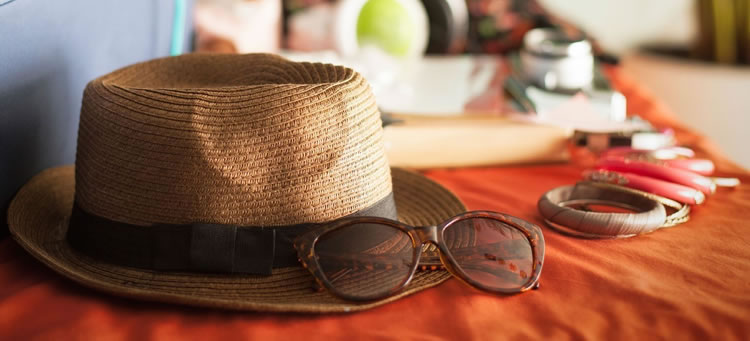
Bring a hat or buy one upon arrival. Baseball style or with a full brim.
-
Larger shoe sizes are hard to find in Sri Lanka. Make sure your shoes are broken in and comfortable for extended walking.
-
Note: Women should not wear tops that show "bare shoulders" in temples.
-
Bring a book or two for plane rides and the beach ... swap them with other travelers you meet along the way.
Is there a Duty Free when arriving in Sri Lanka?
Since its considered to be one of the cheapest Duty Free Shops in Asia it might make more sense to buy your goods here than in Sydney, Frankfurt or London.
Naturally they have a good range of clothes, cosmetics, liquor, watches, household and electronic items.
Is there international roaming in Sri Lanka?
International calls are costing from US$ 0.20 per minute on a mobile phone with a Sri Lankan SIM card.
What health issues do I have to consider when traveling Sri Lanka?
Standards of hygiene and safety in Sri Lanka may differ from those you are used to, so please take care, particularly with your choice of food and drink.
Drink only bottled or boiled water, or carbonated (bubbly) drinks in cans or bottles. Avoid tap water, fountain drinks, and ice cubes.
We also recommend that you avoid uncooked food (especially shellfish) and food from street vendors. Buy ice cream only from hotels and reputable shops. Limit your exposure to the sun and drink lots of fluids.
Compulsory vaccinations or other health precautions were not required, although it is advisable to be inoculated against Hepatitis A, B, Cholera, Diphtheria and have your tetanus injection up to date.
While traveling you might consider carrying:
Insect repellent containing DEET.
Flying-insect spray to help clear rooms of mosquitoes. The product should contain a pyrethroid insecticide; these insecticides quickly kill flying insects, including mosquitoes.
Iodine tablets and portable water filters to purify water if bottled water is not available.
Sunblock, sunglasses, and a hat for protection from harmful effects of UV sun rays.
Prescription medications: make sure you have enough to last during your trip, as well as a copy of the prescription(s) or letter from your health-care provider on office stationery explaining that the medication has been prescribed for you.
Always carry medications in their original containers, in your carry-on luggage.
Be sure to bring along over-the-counter antidiarrheal medication.
Consult your doctor before your departure if you require advice on health precautions for Sri Lanka.
Visitors to Sri Lanka should take the following precautions:
Wash your hands often with soap and water or, if hands are not visibly soiled, use a waterless, alcohol-based hand rub to remove potentially infectious materials from your skin and help prevent disease transmission.
Take your malaria prevention medication before, during, and after travel, as directed.
To prevent fungal and parasitic infections, keep feet clean and dry, and do not go barefoot.
Always use latex condoms to reduce the risk of HIV and other sexually transmitted diseases.
Protect yourself from mosquito insect bites.
Do not handle animals, especially monkeys, dogs, and cats, to avoid bites and serious diseases.
Do not share needles for tattoos, body piercing or injections to prevent infections such as HIV and hepatitis B.
If you are less able-bodied, check with us before you book that the accommodation you prefer is suitable.
What are the visa requirements for Sri Lanka?
Sri Lanka has introduced a new Visa regulation
(Electronic Visa Authorization - ETA) that requires you to register on
their special website www.eta.gov.lk before arrival.
You also can check the details by visiting www.immigration.gov.lk
Note: Passport and visa requirements are liable to change at short notice. Travelers are advised to check their entry requirements for Sri Lanka with their embassy or consulate.
Passport/Visa Note: Visitors also should be able to satisfy the immigration officials they have sufficient funds for their stay in Sri Lanka (minimum US$15 per day). Visa-exempt nationals should have a passport valid for 3 months beyond period of stay, otherwise passports should be valid for 2 months after expiry date of visa.
What should be on my Sri Lanka itinerary?
A good itinerary maximizes enjoyment, available time and financial resources yet remains flexible enough for change and opportunity.
Listing your travel objectives can be a first good step, even if your objective is to wander about aimlessly with no itinerary or specific destinations.
Be Realistic - How much time is required to get to the destination and enjoy the activity you have planned. Travel time between destinations can be a major factor.
Flexibility and an open mind are key assets for avoiding disappointment or disaster. You may hear about somewhere that suddenly seems an "absolute must do".
Weather should be a significant factor in planning activities. While it doesn't rain "all day, every day" during the rainy season in Sri Lanka, planning a long mountain trek in the rainy season might be questionable.
But the rainy season in Sri Lanka can be a good time for some travelers since:
• The weather is cooler
• You will find fewer tourists
• Prices are lower
• The country is green

Whether you are an independent traveler, or looking for a family holiday, go-lanka.com is your full-service one-stop partner that gives you full access to hundreds of hotels, resorts and guesthouses in Sri Lanka at unbeatable prices.